Generator calls spike right after a PSPS event, and they spike in a hurry. A homeowner sat through a three-day outage with a dark house and a warm fridge, and now they want “a generator” installed as soon as someone can get out there. What they mean by that word can be a few hundred dollars of inlet box and manual transfer switch, or a five-figure whole-home standby unit tied to a fuel line and an automatic transfer switch. Those are two different trucks, two different crews, and two very different quotes.
Six questions on the intake call sort out which job you’re actually walking into.
1. Whole-home standby, or portable with an inlet?
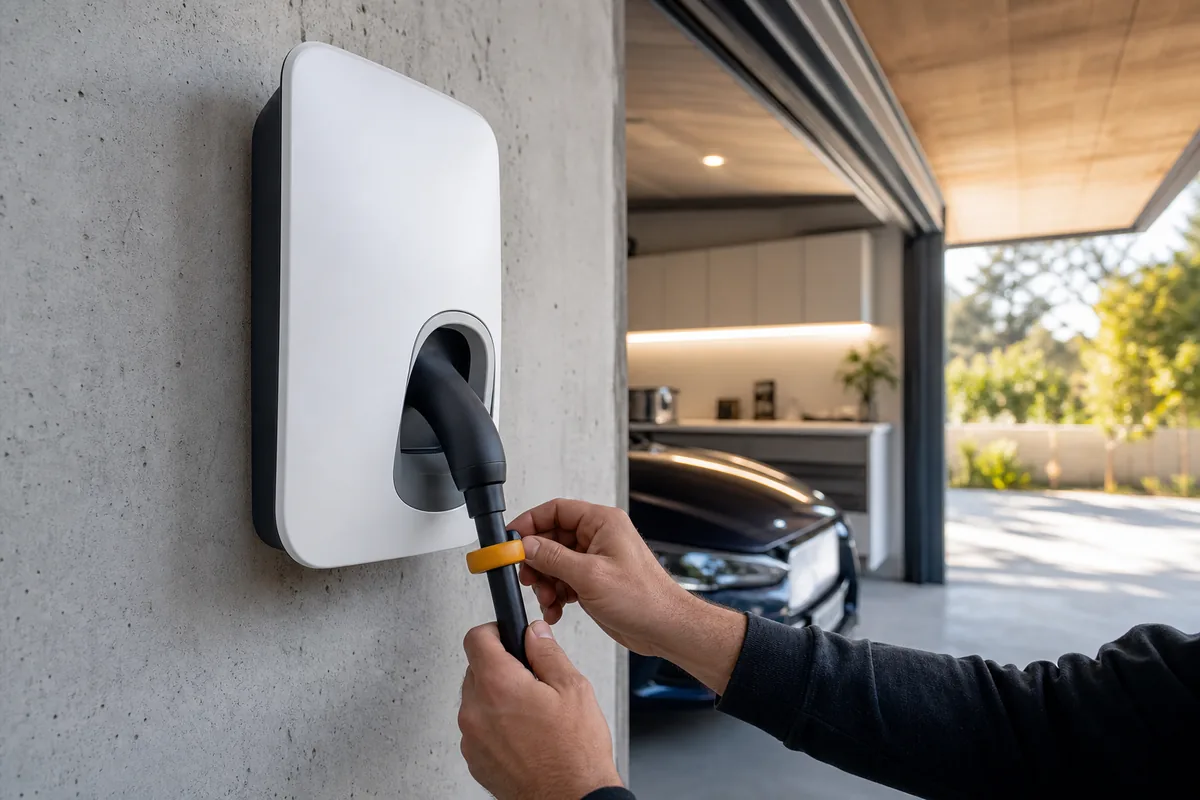
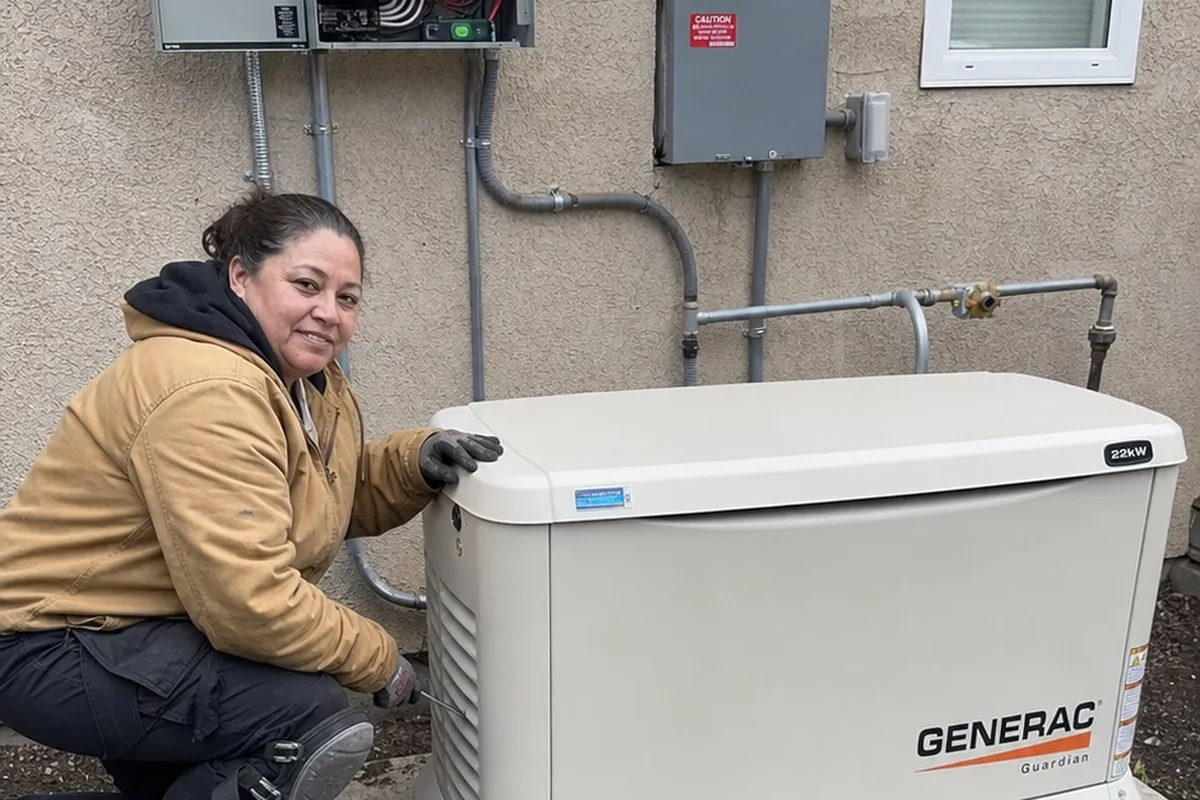
Start here, because everything else depends on the answer. A whole-home standby unit sits outside permanently, runs on a fuel line, and switches over automatically. A portable generator setup is a power inlet box and a manual transfer switch so the homeowner can plug in a generator they already own or plan to buy. Homeowners often say “generator” and mean either one. Get this nailed down before you talk about anything else.
2. What fuel source is available at the property?
Natural gas line, propane tank, or neither. A whole-home unit needs one of the first two, and if the property has neither, that’s a separate conversation about running gas service or setting a propane tank before the generator conversation can even start. Ask what they’re currently using to heat the house or run the range. It’s usually a fast way to find out.
3. What’s the panel size, and is there room for a transfer switch?
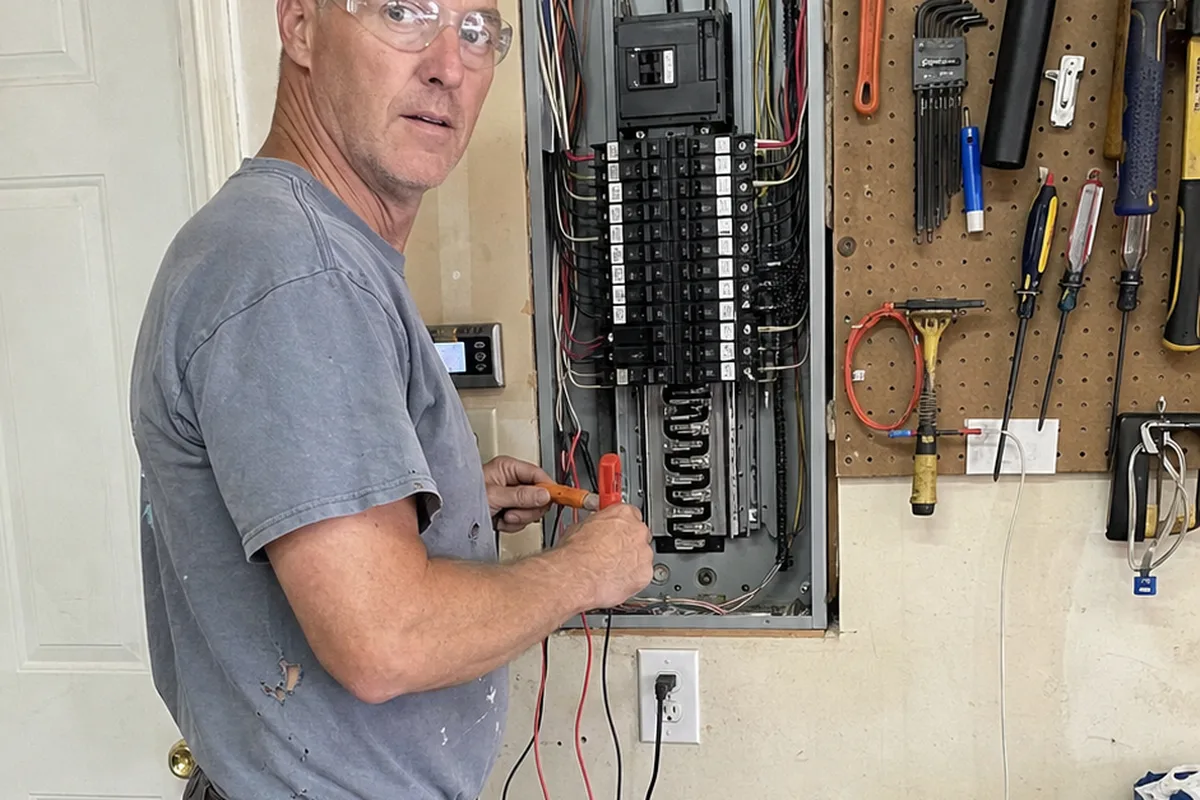
Same driver as almost every other electrical job on your board. Ask the amp rating and whether the panel has open space. A packed 100-amp panel with no room left is a different scope than a newer 200-amp panel with breakers to spare, and that difference belongs in the quote, not discovered on site.
4. What has to stay running during an outage?
Whole house, or a shorter list: fridge, well pump, medical equipment, a home office. This is the sizing question. A generator built to carry the whole house costs more and takes longer to install than one sized for a handful of critical circuits. Get a rough list on the call so you’re quoting a size, not a guess.
5. Where can the unit actually sit?
Standby generators have real placement rules: clearance from windows, doors, and other openings, distance from the gas meter, and sometimes HOA restrictions on outdoor equipment near a property line. Ask about the yard layout, where the gas meter and electrical panel are, and whether there’s an HOA. None of this kills the job, but it can change where the unit goes and how much conduit and gas line run between here and there.
6. Is this fire-season urgency, or a someday project?
A caller two days out from a PSPS event wants to know how fast you can get a permit pulled and a unit on order. A caller who’s just tired of the idea of losing power someday has room to plan around your schedule instead of around a storm forecast. Both are good jobs. They need different timelines on the callback.
Why this intake matters
Standby generator jobs carry serious material cost before a truck ever leaves the shop, and California requires a permit on the install with real clearance rules to satisfy. A quote built on “they want a generator” is a guess wearing a price tag. A quote built on fuel source, panel capacity, sizing, placement, and real urgency is one you can hand over and stand behind when the crew shows up.
Wirewoman runs this exact intake on every generator call: standby vs. portable, fuel source, panel capacity, critical loads, placement constraints, and PSPS urgency, then texts you a clean summary before you call back. Hear it on the demo line.